A massive dust storm, or haboob, swept across the Sahara Desert from western Algeria into Mauritania, Morocco, Western Sahara and the Canary Islands on March 30. The dust stretched for more than 1,000 miles.
As meteorologists observed the dust storm from space via weather satellites, social media users captured the incoming dust storm on camera. One video shows a thick wall of dust and sand moving toward a resident of the town of Tindouf, near the Mauritanian, Western Saharan and Moroccan borders.
How does the dust affect tropical storms in the Atlantic?
While this storm didn't make it too far off the coast, significant amounts of dust can drift westward from Africa across the Atlantic beginning in May. This can inhibit tropical storm formation, or the strengthening of an existing system, because the dusty air has about 50% less moisture than the typical tropical atmosphere.
Strong winds in the dust layer can also substantially increase the vertical wind shear in and around the storm environment, potentially disrupting any storm that forms.
LATEST POSTS
- 1
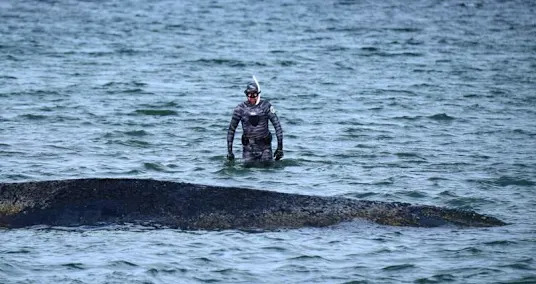
 Rescuers again fail to free whale stranded on Germany's Baltic coast
 - 2Scaling New Levels: Rock Climbing Spots On the planet
- 3Empathy and reasoning aren’t rivals – new research shows they work together to drive people to help more
- 4We may be witnessing the messy death of a star in real time
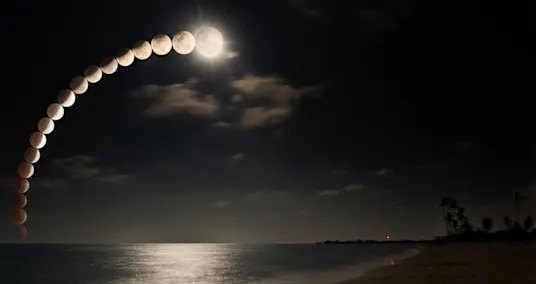
- 5A photographer's journey to capture a blood moon rising over the South China Sea. 'It was an incredible moment'


- Florida has quietly become America's execution capital
- Scientists map of old Mars river basins for the 1st time. These could be great places to search for ancient life
- Simple Consideration Plants for Home and Office: An Aide
- Japan prepares to restart world's biggest nuclear plant, 15 years after Fukushima
- Which camera do you believe is great for first-time clients? !
- RFK Jr. says he's following 'gold standard' science. Here's what to know
- Sintana Energy flags major resource upgrade at Namibia oil discovery
- What to know about Jack Dorsey's new Vine revival, DiVine
- South Korea president says Iran war shows the need to ditch ‘extremely risky’ fossil fuels